Ultimate Guide to Choosing the Right Rack Manifold System
A rack manifold system is essential for efficient liquid cooling in modern server environments. This guide explains how rack manifolds work, their benefits, key components, and how to choose the right system. It covers performance, scalability, maintenance, and integration to help you make informed decisions for long-term reliability and optimized cooling efficiency.
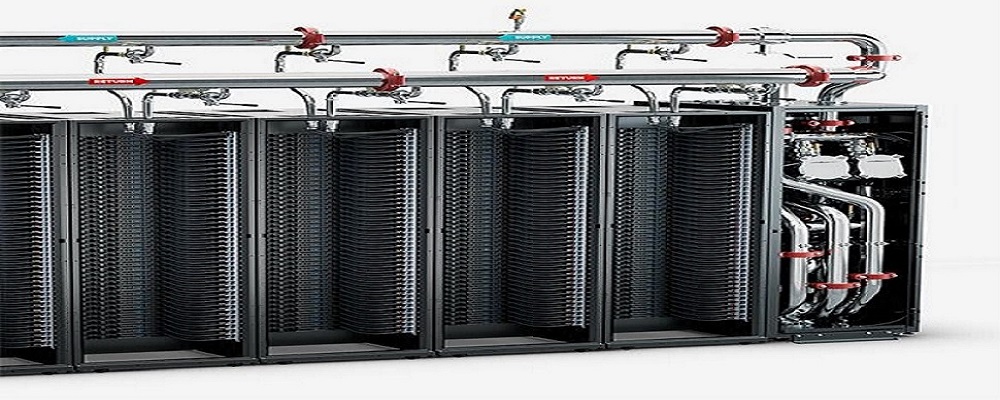
As computing demands grow, efficient cooling has become essential for maintaining performance and uptime. A well-designed rack manifold system plays a central role in managing thermal loads, especially in high-density environments. Whether you are upgrading infrastructure or planning a new deployment, understanding how to select the right manifold can make a meaningful difference.
Table of Contents
Understanding the Rack Manifold System
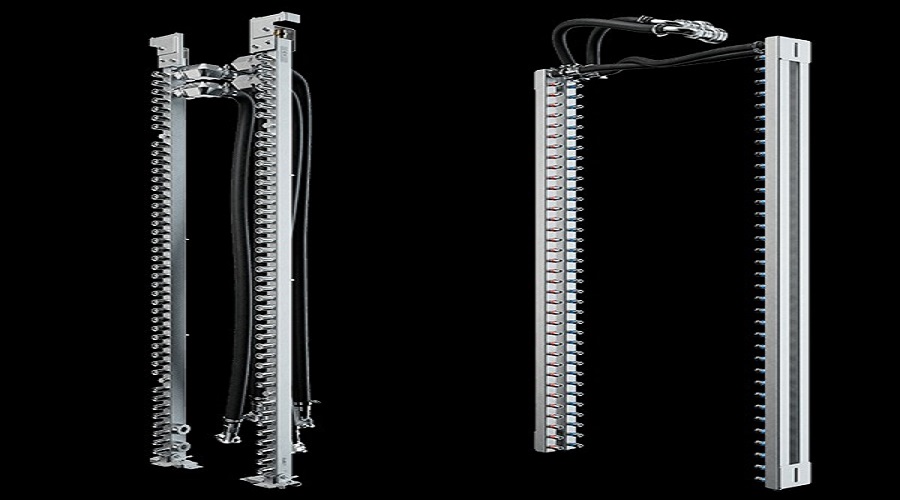
A rack manifold is a fluid distribution unit that directs coolant to various servers or components within a rack. It ensures consistent and controlled delivery of cooling liquid, maintaining optimal temperatures across equipment. In a liquid cooling rack manifold setup, coolant flows through pipes connected to servers or cooling plates. The manifold regulates flow rates and pressure, ensuring that each component receives the appropriate amount of cooling without imbalance.
Why Rack Manifolds Matter?
Modern data environments generate significant heat. Without efficient cooling, systems may throttle performance or experience hardware issues. A server rack manifold ensures that cooling fluid reaches each component evenly, minimizing hotspots and improving system longevity.
Key benefits include:
- Improved thermal efficiency
- Better scalability for growing infrastructure
- Reduced operational costs over time
- Enhanced reliability of hardware systems
What is a Rack Manifold?
A rack manifold is a distribution unit that channels coolant to multiple servers or components within a rack. These rack manifolds act as a central hub, ensuring balanced flow and temperature control across systems. In advanced setups, a liquid cooling rack manifold helps maintain consistent performance while reducing energy consumption.
Beyond basic distribution, a well-designed system also enhances operational efficiency by enabling precise flow management and easier scalability. It supports high-density environments by delivering targeted cooling where it’s needed most, reducing thermal hotspots and improving hardware longevity. This makes an essential part of modern data infrastructure, where reliability, energy efficiency, and performance optimization are critical.
Types of Rack Manifolds
Different environments require different configurations. Choosing the right type depends on your specific needs.
Passive Rack Manifolds
These systems rely on external pumps and controls. They are simple and cost-effective but may require additional infrastructure. They are best suited for setups where centralized control systems are already in place, and budget efficiency is a priority.
Active Rack Manifolds
Active systems include integrated controls and monitoring. They offer greater precision and are ideal for data center equipment. These systems provide real-time adjustments, helping maintain optimal cooling performance under varying workloads.
Modular Rack Manifolds
Designed for scalability, modular systems allow easy expansion. They are suitable for growing operations that need flexibility. Their adaptable design makes it easier to upgrade or reconfigure cooling systems without major disruptions.
Role of Liquid Cooling in Modern Systems
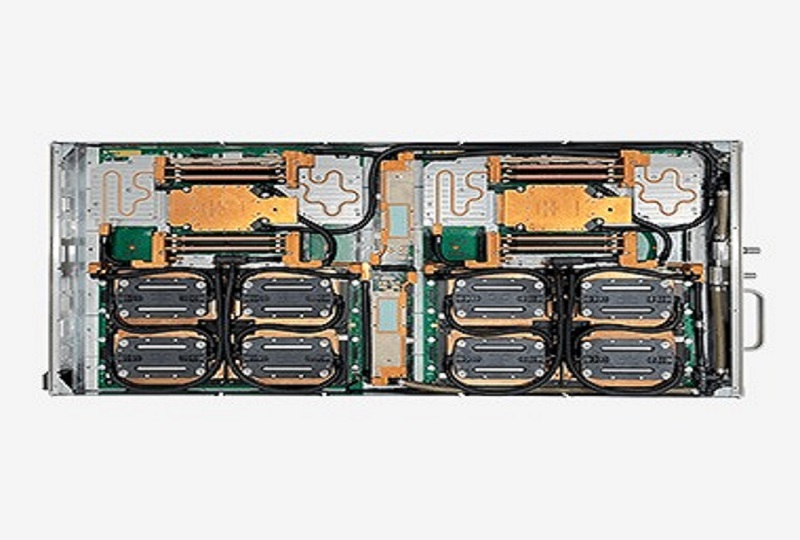
A liquid cooling rack manifold offers superior heat transfer compared to traditional air cooling. It supports higher computing densities while maintaining stable temperatures. This approach is especially useful for environments with demanding workloads, where efficiency and consistency are critical.
Factors to Consider When Choosing a Rack Manifold System
Compatibility with Existing Infrastructure
Ensure that the system integrates seamlessly with your current setup. This includes pipe sizes, connectors, and mounting options. Proper compatibility reduces installation challenges and avoids costly modifications later.
Cooling Requirements
Assess the heat load of your equipment. High-performance systems may require advanced liquid-cooling rack-manifold solutions with precise flow control. Understanding your cooling demand helps maintain consistent performance under heavy workloads.
Space Constraints
Consider the physical layout of your racks. A compact and well-designed server rack manifold can optimize space without compromising functionality. Efficient space utilization also improves airflow and accessibility.
Ease of Installation and Maintenance
Look for systems with user-friendly designs, such as quick disconnects and accessible valves. This simplifies maintenance and reduces operational disruptions. Easy servicing ensures long-term operational efficiency.
Material Quality and Durability
High-quality materials ensure longevity and resistance to corrosion. This is especially important in liquid-based systems. Durable construction minimizes the risk of leaks and system failures over time.
Monitoring and Control Features
Advanced systems offer real-time monitoring, enabling proactive management of cooling performance. These features help detect issues early and maintain optimal system conditions.
Choosing the Right Partner
Selecting a trusted provider ensures you get a reliable solution tailored to your needs. Industry leaders like CoolIT Systems focus on innovation, performance, and long-term value, helping organizations achieve efficient cooling strategies. If you are planning an upgrade or new installation, visit our location to explore solutions in person or locate us easily for expert guidance.
Why 3D Building Scanning Equipment Is Essential for Modern Surveying
Lake Louise Spa Vibes Between Cold Peaks and Hot Stone Bliss
Integration with Modern Data Environments
Rack manifolds are designed to work with advanced cooling technologies such as direct-to-chip cooling and immersion cooling systems. Their flexibility makes them suitable for a wide range of applications. By integrating a liquid cooling rack manifold into your setup, you can achieve better thermal management while maintaining system efficiency. This is particularly important for high-density computing environments where heat generation is significant.
FAQs
What is the main purpose of a rack manifold system?
A rack manifold system distributes coolant efficiently across multiple servers within a rack. It ensures balanced flow, reduces heat buildup, and supports stable performance. Managing temperature effectively helps extend hardware lifespan and improve overall system reliability.
How does a liquid cooling rack manifold improve efficiency?
A liquid cooling system transfers heat more effectively than air-based systems. It delivers coolant directly to heat-generating components, reducing energy usage and maintaining consistent temperatures. This leads to improved performance and lower operational costs over time.
What should be considered before installing a server manifold?
Before installation, evaluate compatibility with your existing infrastructure, required cooling capacity, and future scalability. It is also important to consider monitoring features, maintenance requirements, and the quality of materials used in the system.
Are rack manifolds suitable for all types of data environments?
Rack manifolds are highly adaptable and can be used in various setups, from small deployments to large-scale facilities. The key is selecting the right type and configuration that aligns with your performance needs and cooling strategy across Canada.
How can a rack manifold system support future growth?
A well-designed manifold system allows for easy expansion by supporting additional servers or cooling loops. This flexibility ensures that your infrastructure can scale without requiring major changes, making it a cost-effective long-term solution.
Conclusion
A rack manifold system is a cornerstone of efficient liquid cooling in modern server environments. By understanding its components, benefits, and selection criteria, you can make informed decisions that enhance performance, reliability, and scalability. Choosing the right rack manifold is not just about meeting current needs—it’s about preparing your infrastructure for future growth. With careful planning and the right partner, you can build a cooling system that supports long-term success.


About The Author